
Active Roof Leaks
Water entering through tiles, slates, valleys, flashing or roof penetrations needs prompt investigation. The internal drip point may be some distance from the exterior defect because water can travel along rafters and underlay.
Serving Telford & surrounding areas
Rapid help for active leaks, storm damage and unsafe roof defects, with careful assessment and practical temporary or permanent repairs.
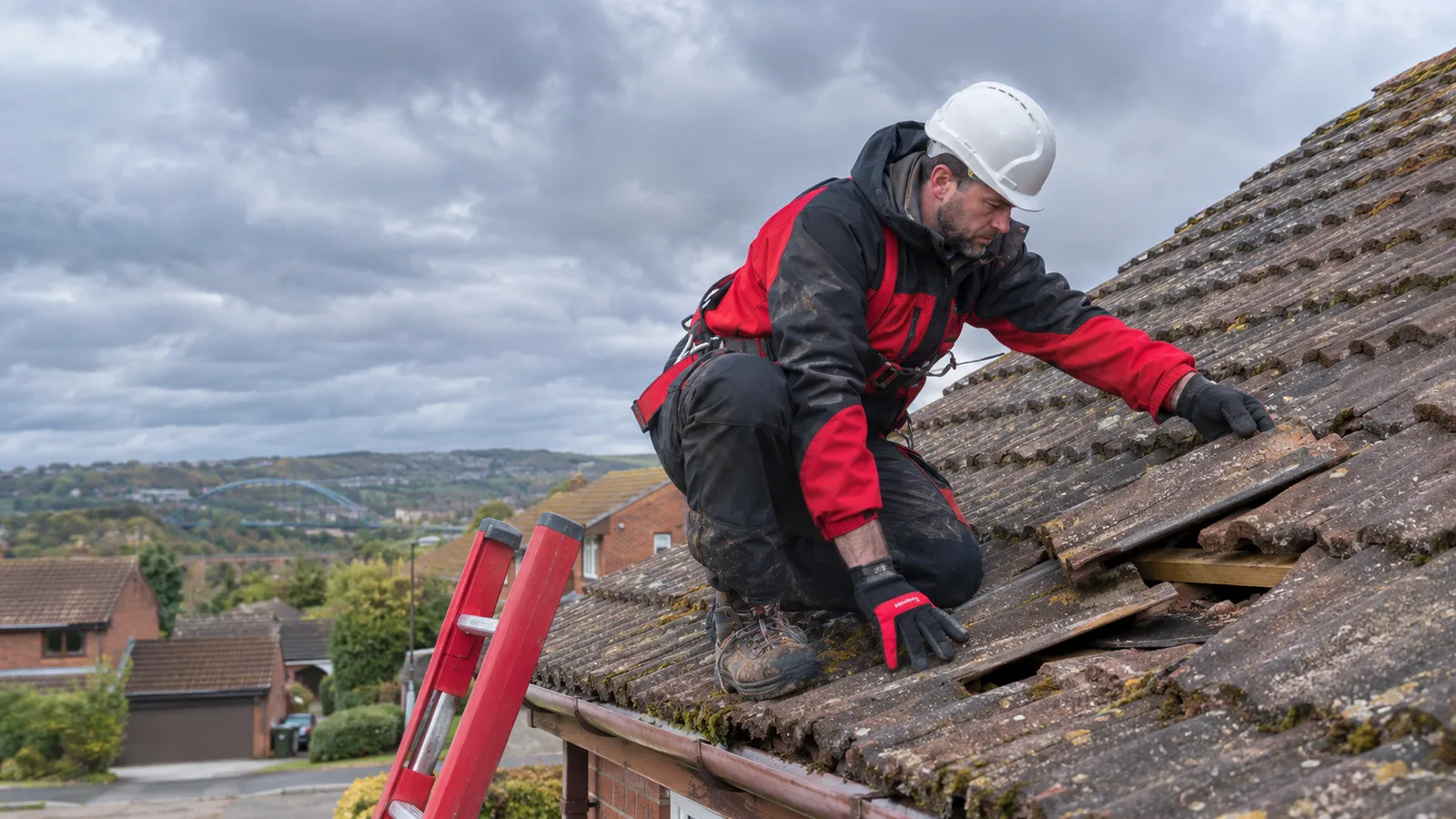
Emergency roof repairs Telford property owners request often begin with a slipped tile, wind-damaged flashing or water appearing through a ceiling. Whatever the visible symptom, the immediate aim is to limit water entry, identify the damaged area and make the property safe without rushing into an unsuitable repair.
Telford Roofers responds to urgent problems at homes and business premises across the local area. Roof damage can worsen during repeated rain and strong winds, particularly when a gap exposes underlay, battens or insulation. Early attention can reduce further saturation of the roof structure and damage to ceilings, electrics and belongings.
If water is entering near lights, sockets or wiring, keep clear of the affected area and isolate the electricity only when it is safe to do so. Do not climb onto a wet, damaged or wind-exposed roof. Photograph internal damage from floor level, move possessions away from the leak and use a container to catch drips while professional help is arranged.
Water entering through tiles, slates, valleys, flashing or roof penetrations needs prompt investigation. The internal drip point may be some distance from the exterior defect because water can travel along rafters and underlay.
High winds can lift tiles, dislodge ridge components and expose vulnerable roof layers. Fallen branches may also crack coverings or damage gutters at the roof edge.
Loose, split or displaced leadwork around chimneys, abutments and roof junctions can admit substantial amounts of rain. A close inspection is needed before the correct repair is chosen.
Tears, punctures, open laps and damaged outlets can cause sudden leaks. Standing water may hide the source, so the membrane and drainage points both need checking.
Tiles, slates, ridge pieces or gutter components that might fall present a safety risk. Keep people and vehicles away from the drop zone until the area has been assessed.
Damaged mortar, loose pots, failed verge details and movement around a chimney can expose the roof to water and falling debris. These defects require safe access and a condition-led repair.
The first task is to understand where water or wind has breached the roof. That means checking the visible covering and relevant junctions rather than assuming the stain directly identifies the defect. Where access and weather permit, the inspection may cover tiles or slates, ridge and hip details, valleys, flashing, gutters, flat roof membranes and the roof space.
If a lasting repair can be completed safely during the visit, the damaged component may be secured, replaced or resealed using a compatible method. Some situations call for temporary weatherproofing instead. A tarpaulin, temporary cover or local seal can reduce immediate exposure until dry conditions, specialist materials or access equipment are available. Temporary work should be treated as a holding measure, with the permanent repair planned clearly.
Safety controls access. Darkness, strong winds, ice, heavy rain, fragile coverings, steep pitches and nearby electrical hazards can prevent immediate roof-level work. A responsible response does not place workers or occupants at risk to create the appearance of speed.
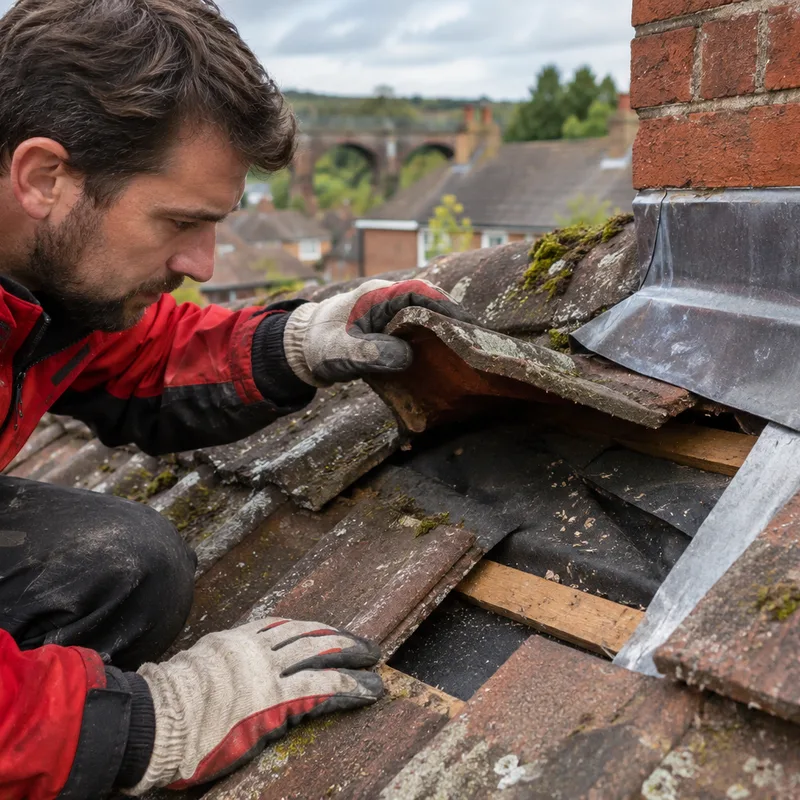
Share where water is visible, when it started, the roof type if known and whether tiles, branches or other materials have fallen. Photos taken safely from the ground or inside can help with initial planning.
Keep people away from loose overhead materials and protect belongings from water. Electrical concerns, structural movement or a partially collapsed ceiling may require the relevant emergency authority before roof work begins.
The roof covering, junctions, drainage and accessible roof space are checked as conditions allow. The aim is to distinguish the entry point from the place where the leak appears.
A safe permanent repair is preferred when the defect is clear and suitable materials are available. Otherwise, temporary weatherproofing is used to limit exposure until follow-up work can be completed.
You receive a clear account of the defect, the action taken and any further repair that is recommended. If damage is broader than first visible, the additional scope can be discussed before work proceeds.
Telford includes properties of very different ages and roof forms. In Ironbridge, older buildings and the area's steep streets can make access, material matching and safe positioning especially relevant. Repairs to historic or listed buildings may also need closer consideration before modern materials are introduced.
Wellington has a mix of older terraces, established homes and commercial premises, so access may involve shared roof lines, rear yards or busy frontages. In newer residential areas such as Lawley, tiled pitched roofs, garages and lower extensions can create several junctions where wind-driven rain may enter after damage. Madeley and Dawley also contain varied housing stock, which means the roof covering and repair method should be identified rather than assumed.
Across Shropshire, periods of wind and persistent rain can turn a small defect into an active leak. Valleys, abutments, ridge lines and flat roof outlets deserve particular attention after bad weather because each is a common route for water when materials move or drainage is obstructed. For planned work once the urgent defect is controlled, a roofer in Telford can assess the wider roof condition and set out suitable next steps.
Emergency roof repairs in Telford typically cost about £150 to £500 for a small accessible repair, while extensive storm damage, scaffolding or major temporary covering can push the cost beyond £1,000. These are broad, non-binding estimates rather than fixed prices.
The final cost depends on call-out timing, roof height and pitch, safe access, the damaged material, weather conditions and whether a permanent repair is possible immediately. Leadwork, flat roof membranes and specialist access can add labour or material costs. The exact price is confirmed after the roof has been inspected and the required work identified.
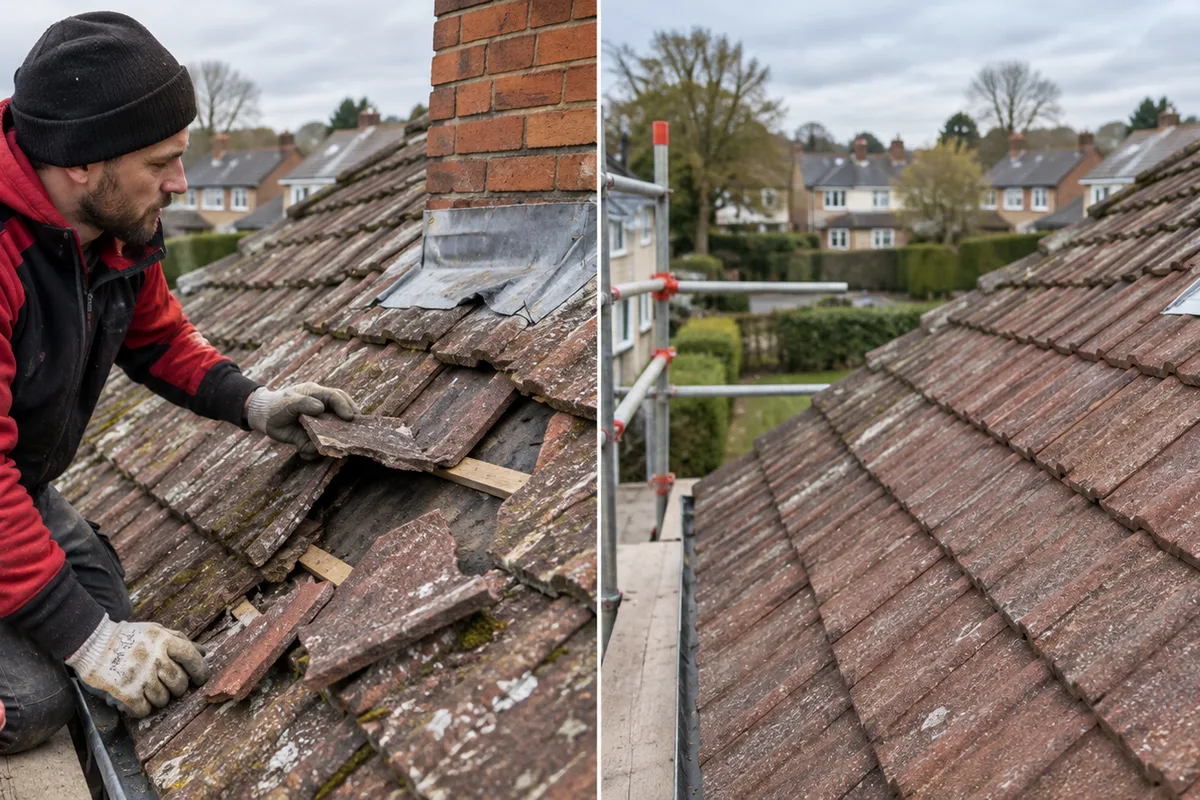
A permanent repair is suitable when the source is confirmed, the surrounding roof is sound, access is safe and compatible materials can be installed correctly. Examples include replacing a limited number of matching tiles, securing a local flashing defect or repairing a clearly defined membrane puncture.
Temporary protection is more appropriate when severe weather prevents safe work, the damage extends beneath the visible covering, matching components are unavailable or scaffolding is needed. It may also be used when a chimney, roof deck or larger membrane area requires further investigation. The temporary measure should protect the opening without trapping water or causing avoidable damage to sound materials.
Be cautious of anyone diagnosing a full replacement from ground level without explaining the defect. An emergency should not remove the need for a clear scope. Telford Roofers can explain what has been secured, what remains exposed and why any follow-up work is necessary.
An active leak rarely improves on its own. Arrange an assessment before more rain reaches the underlay, insulation or internal finishes.
Call for a Free EstimateAttendance depends on current demand, weather, daylight, access and the severity of the hazard. Widespread wind damage across Telford can create several urgent calls at once, so active water entry and loose materials that threaten people or property should be described clearly. Even when roof access is unsafe, initial advice can help you protect the internal area.
Some emergency protection may be possible in light rain, but roof-level work must wait when wind, heavy rain or slippery surfaces make access unsafe. A localised internal measure or temporary external cover may limit damage until conditions improve. Permanent repairs generally need a dry, stable work area so materials can be fitted correctly.
A permanent repair may be completed during the first visit when the defect is limited, accessible and clearly identified. Broader storm damage, fragile coverings, failed roof decking, chimney defects or work needing scaffolding usually requires temporary weatherproofing followed by planned repairs. The recommended sequence should be explained before further work is arranged.
Keep people away from a bulging ceiling and move belongings only if this can be done safely. Place a container under a simple drip, avoid touching wet electrical fittings and do not enter the roof space during severe weather. If there is an immediate danger involving electricity, fire or structural collapse, contact the appropriate emergency authority.
The damaged area can be inspected and the emergency work documented, but insurance cover and claim approval are decided by your insurer. Take safe photographs before moving debris, keep records of temporary protection and notify the insurer promptly. Do not delay urgent action where continued water entry could increase the damage.
No, a few slipped or cracked tiles can often be repaired locally when the battens, underlay and surrounding covering remain serviceable. Repeated movement may point to failing fixings, deteriorated battens or a wider installation problem. A close inspection is needed before deciding whether a local repair or broader work is justified.
Matching may be possible, but availability depends on the profile, size, colour, age and manufacturer of the existing covering. Older properties in places such as Ironbridge or Wellington may use materials that require careful sourcing. A compatible weatherproof repair matters more than forcing a poor visual or dimensional match.
Tell Telford Roofers what has happened, where water is appearing and whether any materials are loose. Clear details help the team assess urgency and prepare for a safe inspection.